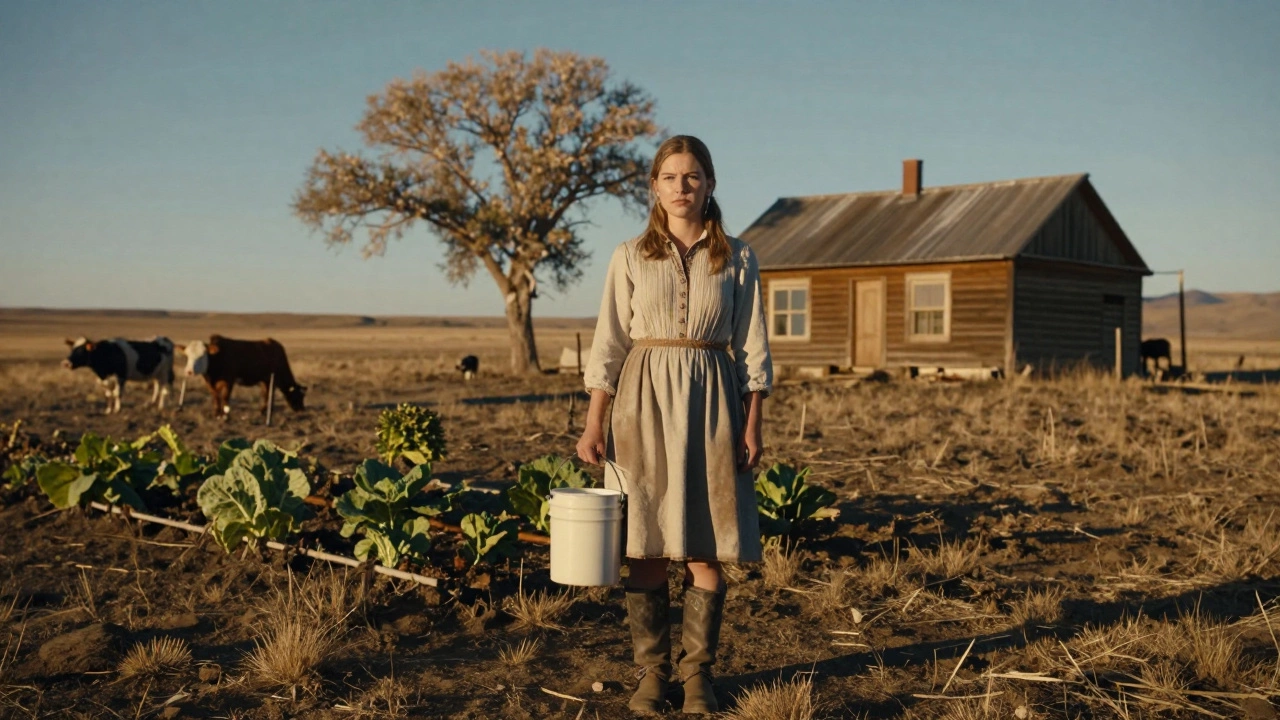
They called her Cattle Kate-a name meant to shame, to erase, to reduce a woman who fought to survive in a world that refused her dignity. In 1889, Ella Watson was hanged from a cottonwood tree in Wyoming, accused of cattle rustling and prostitution. But the truth? She was neither a thief nor a whore. She was a homesteader, a widow, and a target. Her story isn’t about sin. It’s about power. And the men who used labels to justify murder.
Today, you can find ads for escort dubai girl offering services in luxury hotels, with prices listed like products on a menu. Back then, in the Wild West, women like Ella were labeled the same way-not because of what they did, but because they refused to be controlled. No one asked her if she wanted to be called a whore. They just wrote it down, and history repeated it without question.
Who Was Ella Watson, Really?
Ella Watson was born in 1862 in Ohio. She married young, moved west with her husband, and buried him before she turned 30. Left with nothing but a small claim near the Sweetwater River, she did what many widows did: she worked. She raised cattle. She grew vegetables. She sold milk and butter to nearby ranchers. She wasn’t rich, but she was independent. And that made her dangerous.
Her neighbor, James Averell, was a cattle baron with ties to the Wyoming Stock Growers Association-a powerful group that saw small ranchers as thieves. When Ella and her partner, Jim Averell (no relation), started buying cattle from open-range herds, Averell accused them of stealing. But records show the cattle were bought from ranchers who had lost them to harsh winters or sold them to survive. Ella had receipts. She had witnesses. None of it mattered.
The Lynching That Wasn’t Justice
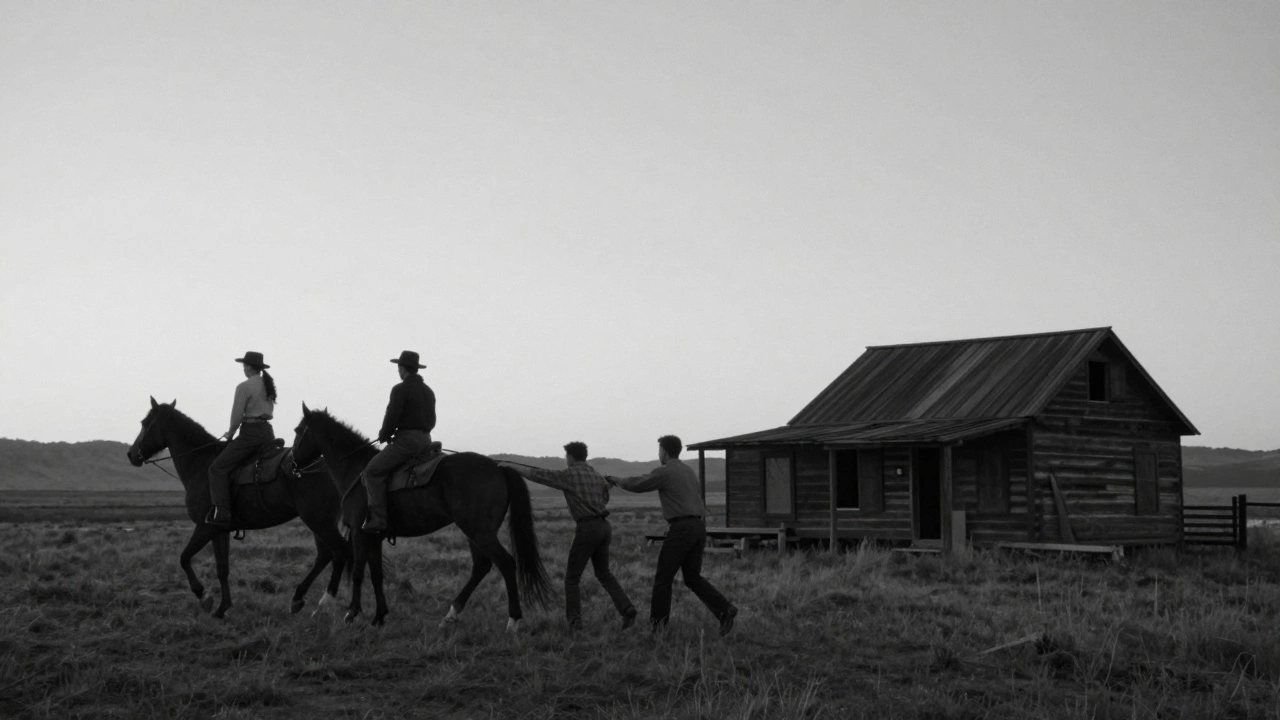
On May 20, 1889, a posse led by Averell and a local sheriff dragged Ella and Jim from their cabin. They were taken to a tree near the Sweetwater. No trial. No defense. No jury. Just a rope. Ella was hanged first. Jim was shot as he tried to run. Their bodies were left hanging for days.
The local paper called it a ‘necessary act.’ The federal government did nothing. No charges were filed. No one was ever punished. But here’s what they didn’t write: Ella Watson was not a criminal. She was a woman who refused to beg for survival. She didn’t ask for permission to own land. She didn’t wait for a man to tell her she was allowed to work. And for that, she was erased.
Why the Label ‘Whore’ Stuck
Historians now agree: Ella was never a prostitute. There’s no record of her ever taking money for sex. The claim came from Averell’s allies-men who needed a reason to kill her. In the Wild West, calling a woman a ‘whore’ was a shortcut to moral justification. It turned her into something less than human. Something disposable.
It’s the same tactic used today in places like Dubai, where women working in the service industry are often reduced to crude labels. The phrase escort in bur dubai pops up in search results, stripped of context, stripped of humanity. But here’s the truth: whether it’s 1889 or 2025, the pattern doesn’t change. When a woman controls her own body and income, someone always tries to label her as immoral to silence her.
The Myth of the ‘Wild West Whore’
Most of the women labeled as prostitutes in the Old West were not prostitutes at all. They were cooks, laundresses, nurses, and saloon workers. Some did sex work-but not because they chose it freely. Many were escaped slaves, indentured servants, or survivors of abuse. They didn’t wear corsets and call themselves ‘madams.’ They survived.
Historian Paula Mitchell Marks found that less than 10% of women in Western towns were involved in sex work. Yet they made up nearly half the ‘criminal’ stories in newspapers. Why? Because sensationalism sold. And a dead woman with a bad reputation made for a better headline than a living woman who owned her land.
Ella’s Legacy: A Symbol of Resistance
In 1995, a historical marker was finally placed near the site of her hanging. It reads: ‘Ella Watson and Jim Averell were hanged here on May 20, 1889. They were accused of cattle rustling. No trial was held.’ It doesn’t say ‘whore.’ It doesn’t say ‘criminal.’ It just says what happened.
Today, some call her a pioneer. Others call her a martyr. But the truth? She was a woman who refused to be invisible. She planted crops. She raised cattle. She stood up to powerful men. And when they came for her, she didn’t run. She didn’t beg. She just kept breathing-until they stole that, too.
Modern Echoes: Labels That Kill
It’s easy to look back and say, ‘That was a different time.’ But the machine is still running. Women today are still called ‘sluts’ for working in strip clubs. Still labeled ‘gold diggers’ for dating older men. Still called ‘escorts’ when they sell their time, their skills, their presence.
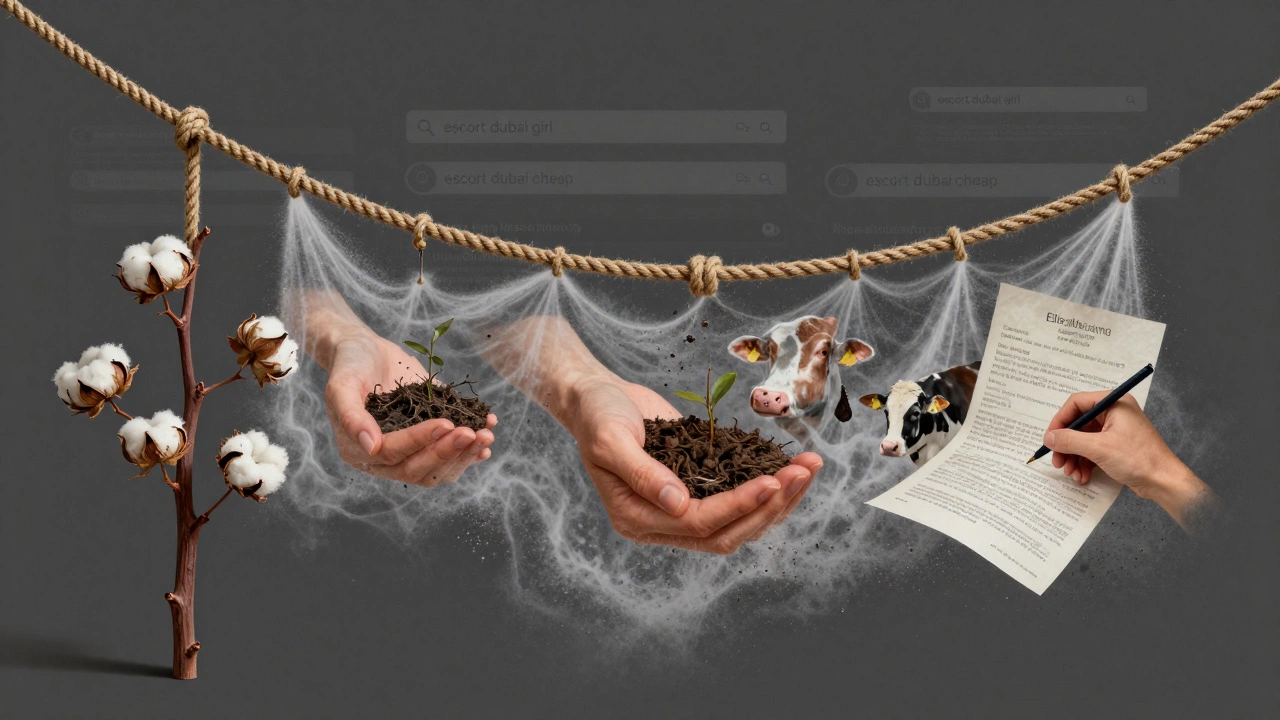
When you search for escort dubai cheap, you’re not just seeing an ad. You’re seeing a system. A system that turns survival into sin. A system that profits from the silence of women who have no other choice. Ella Watson didn’t have a choice either. But she didn’t let them define her. And neither should we.
What We Owe to Ella Watson
We owe her the truth. Not the myth. Not the headline. Not the label.
We owe her the recognition that she was a homesteader, not a harlot. A survivor, not a sinner. A woman who lived on her own terms in a world that wanted her broken.
Her story isn’t about the Wild West. It’s about power. About who gets to name who. And about how easily history forgets the women who dared to stand alone.
Next time you hear someone say ‘whore’ to describe a woman who works for herself-remember Ella Watson. Remember that the rope was never for her crimes. It was for her courage.
And if you ever find yourself scrolling through ads for escort dubai girl, pause. Ask yourself: who is this woman? What did she lose? And who decided she was nothing more than a service?