France isn’t just about the Eiffel Tower and croissants. Every year, millions come for the art, the food, the history - and yes, the energy of its cities after dark. Paris, Lyon, Marseille - each has its own rhythm, its own glow when the sun sets. The streets hum with conversation, cafes stay open late, and the nightlife doesn’t just survive - it thrives. But behind the beauty of the architecture and the buzz of the clubs, there’s another layer people talk about quietly: the presence of companionship services that cater to travelers seeking connection, comfort, or simply someone to share the moment with.
For some, finding a companion in the city isn’t about romance - it’s about having someone who knows the hidden courtyards, the best wine bars, or how to make a solo trip feel less lonely. There are women in Paris who work as professional companions, offering conversation, cultural guidance, and personal presence. Some are models, some are artists, others are students or entrepreneurs who choose this path for flexibility. One such term you might come across is paris escort, a phrase used by some to describe these arrangements, though the reality is far more nuanced than the label suggests.
Paris Isn’t Just a Postcard - It’s a Living City
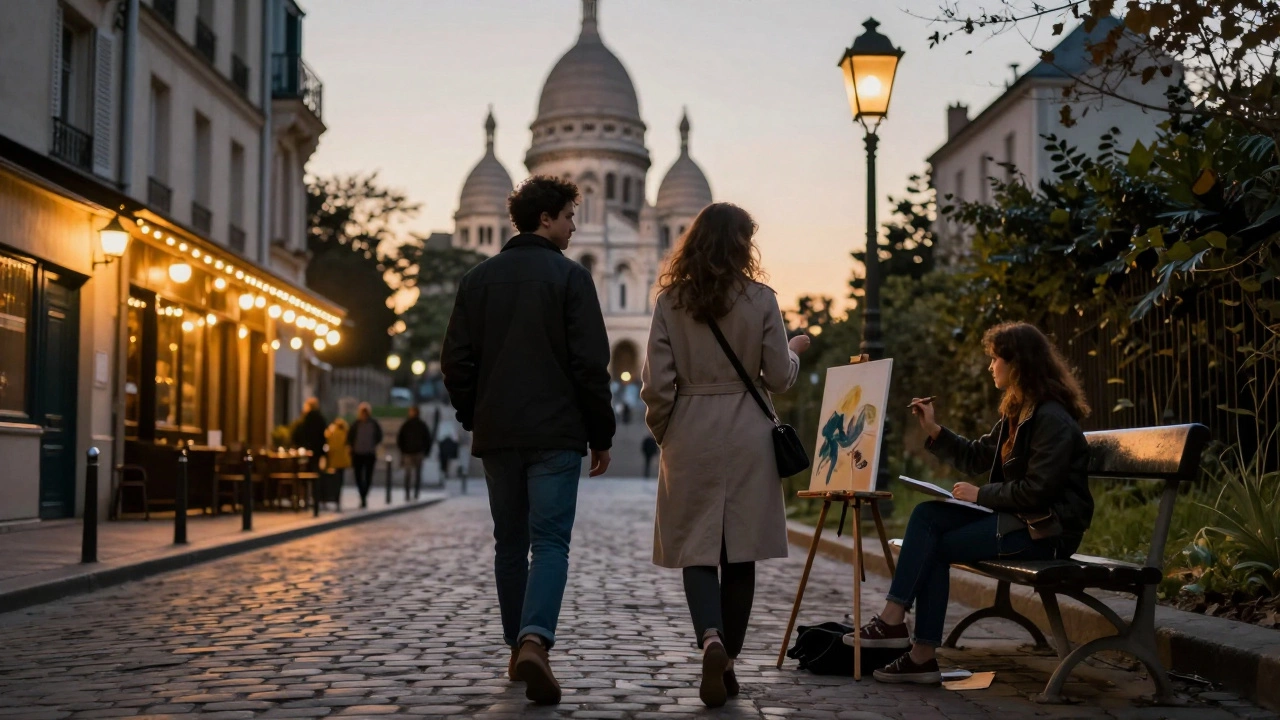
Walk through Montmartre at dusk and you’ll see painters setting up easels where Van Gogh once stood. In Le Marais, boutiques tucked into 17th-century townhouses sell handmade leather goods and vintage books. The Seine reflects the lights of Notre-Dame, still under restoration but more alive than ever. These aren’t just sights - they’re experiences. And many visitors realize quickly that experiencing them fully often means having someone to share them with.
France has a long history of platonic companionship. In the 19th century, courtesans were cultural figures - educated, well-traveled, and connected. Today, the modern version isn’t about exploitation - it’s about mutual respect. Many who offer companionship services in Paris are highly educated, multilingual, and treat their work like any other freelance profession. They set their own hours, choose their clients, and often build long-term relationships.
The Nightlife That Doesn’t Sleep
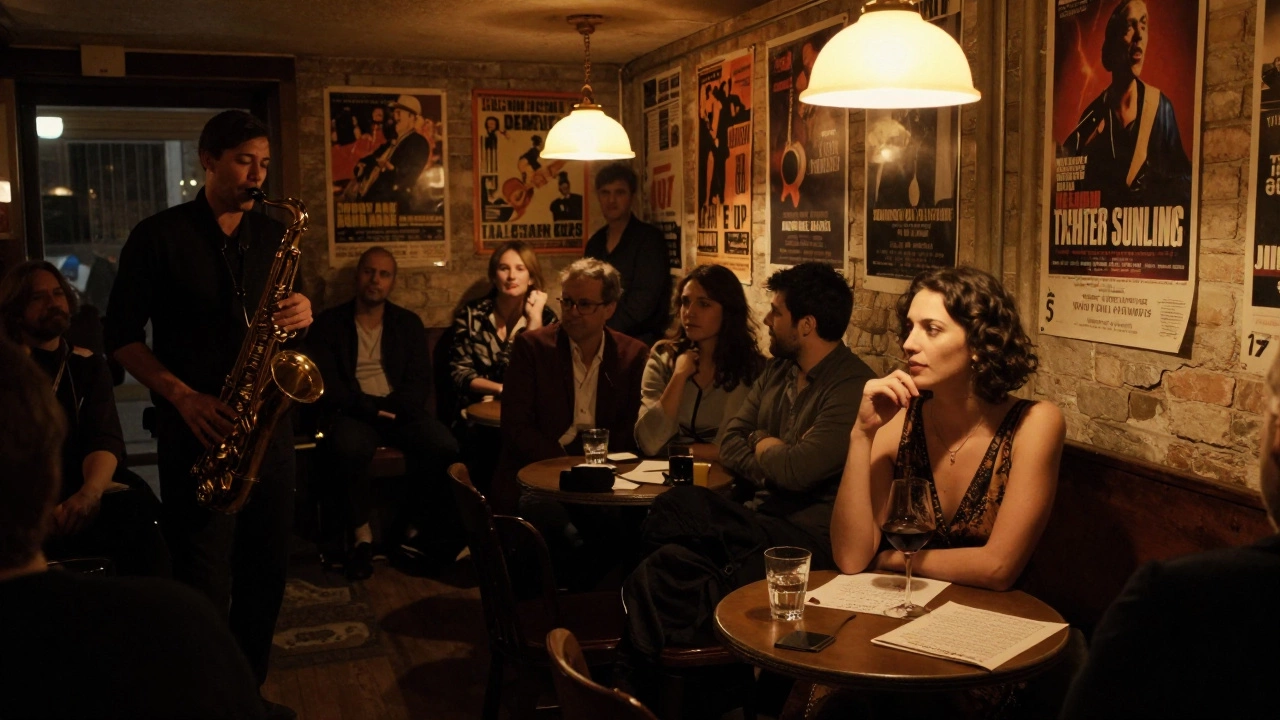
When the museums close and the tourists head back to their hotels, Paris wakes up differently. In the 10th arrondissement, underground jazz clubs host musicians who’ve played with legends. In the 11th, bars with no signs open at midnight, serving cocktails made with local herbs and house-distilled gin. You won’t find neon signs or bouncers in suits - just a quiet door, a whispered password, and a room full of people who’ve come to be themselves.
This is where the idea of a sex model paris becomes part of the landscape - not as a spectacle, but as a quiet presence. Some of these women are known in artistic circles, photographed by indie filmmakers, invited to gallery openings. Their visibility isn’t about being seen - it’s about being chosen. And that choice, more often than not, comes from someone who values authenticity over performance.
Why People Choose Companionship Over Tourism
Travel isn’t just about checking off landmarks. It’s about feeling something real. Many who hire companions in France say they’re not looking for sex - they’re looking for someone who remembers their name, who asks about their day, who knows where to find the best escargot outside of a tourist trap.
A man from Toronto told me last year he came to Paris for the first time after his divorce. He didn’t want to eat alone in a hotel room. He didn’t want to join a group tour. He wanted to walk through Luxembourg Gardens with someone who could tell him which bench had the best view of the fountain, and why the trees there were planted in that exact pattern. He found that person through a referral. She didn’t charge by the hour - she charged for the experience. And he came back the next year.
This isn’t about transactional encounters. It’s about human connection in a city that can feel overwhelming if you’re alone.
What You Won’t See in the Brochures
France doesn’t advertise this side of its culture. You won’t find it on VisitFrance.com. But if you talk to locals - the boulangerie owner who knows your coffee order, the librarian who recommends obscure poetry, the taxi driver who takes you past the abandoned train station where the graffiti tells stories - they’ll tell you the truth: France is full of people who live outside the lines.
There are no official numbers, no government registries. The industry operates in the gray space between legality and social tolerance. It’s not illegal to be a companion in France - but advertising it openly, or operating out of a brothel, is. That’s why most services are arranged privately, through trusted networks, word-of-mouth, or discreet online platforms.
And that’s why the term escorts paris is used - not as a marketing slogan, but as a practical identifier for people who know what they’re looking for and aren’t afraid to ask.
It’s Not About the Price - It’s About the Fit
Some people assume these services are expensive. They’re not. Rates vary wildly. A student in Lyon might charge €50 for dinner and a walk along the Rhône. A former ballet dancer in Nice might charge €300 for a weekend trip to the Alps - including a private chalet, meals, and conversation about art and philosophy.
What matters isn’t the cost - it’s the match. The best experiences happen when both people feel safe, respected, and curious. Many companions screen clients carefully. They ask about interests, travel history, even favorite books. They want to know if you’ll talk about the weather - or if you’ll talk about life.
One woman I spoke with in Bordeaux said, "I don’t do this for money. I do it because I like people. And I like that in this city, someone can pay me to listen to them - and not expect anything else in return."

How to Approach This Respectfully
If you’re considering this option, here’s how to do it right:
- Don’t treat it like a service you’re ordering online. Treat it like meeting someone new.
- Be clear about your intentions - but don’t assume they’re the same as yours.
- Respect boundaries. If someone says no to a request, accept it without pressure.
- Pay what was agreed. Never haggle.
- Don’t ask for photos or social media handles. That’s not part of the deal.
- Leave your assumptions at the door. These women aren’t stereotypes. They’re individuals.
The most successful encounters happen when both people forget they’re in a transaction. When the conversation flows, when laughter comes easily, when you realize you’ve spent three hours talking about nothing - and it felt like the best part of your trip.
Final Thoughts: France Is More Than What You See
The Louvre, the Champs-Élysées, the vineyards of Bordeaux - they’re all real. But so is the quiet woman in Saint-Germain who reads Proust aloud to visitors who just need to hear a familiar voice. So is the former dancer in Lyon who teaches tourists how to waltz in her living room. So is the artist in Marseille who paints portraits of strangers and gives them to the people who sit with her for hours.
France doesn’t sell itself as a place of deep human connection. But it’s there - in the alleyways, in the late-night cafés, in the unspoken understanding between two people who don’t need to explain why they’re together.
Sex model paris, paris escort, escorts paris - these are just words. The real story is what happens when two people meet, not as buyer and seller, but as two humans looking for something real in a world that’s always rushing.